


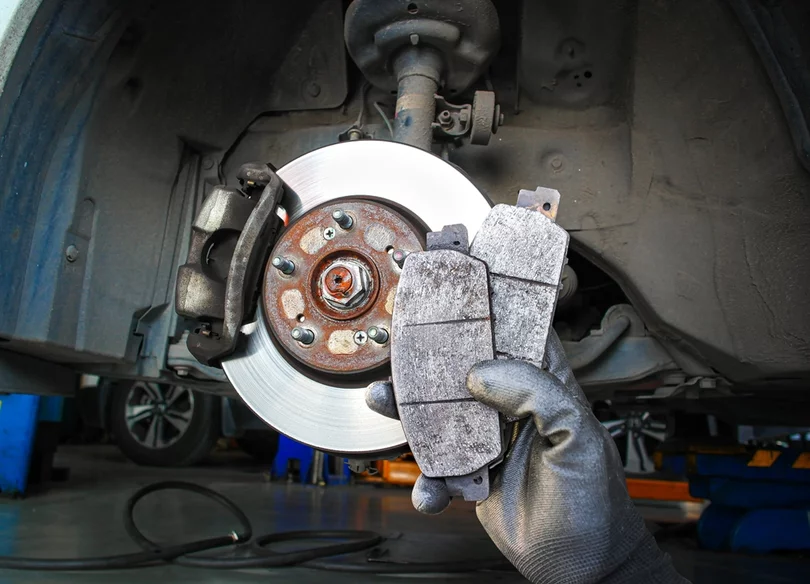
TL;DR:
- Most Mercedes-Benz brake pads last 25,000–60,000 miles depending on driving habits.
- Common signs of brake pads that require replacing include squealing, grinding, warning lights, vibration, and longer stopping distances.
- Most newer Mercedes-Benz models use electronic brake wear sensors to alert you when service is needed. You can check your owner’s manual for more details.
- Replacing brake pads early can help prevent more expensive rotor repairs.
Your Mercedes-Benz is built like a tank. And all of that mass requires heavy-duty brake pads to get it from a place of motion to a place of rest quickly.
In other words, Mercedes-Benz brake pads have an important job to do! So it’s important to be aware of the warning signs that it’s time to get yours replaced.
This blog post will help you understand when it may be time for new brake pads in a Mercedes-Benz by providing a list of the most common telltale signs.
How Long Do Mercedes-Benz Brake Pads Last?
Before we dive into a discussion about the signs of worn brake pads, it’s important to have an understanding of normal Mercedes-Benz brake pad wear.
Most brake pads equipped on Mercedes-Benz vehicles have an estimated lifetime of around 25,000 to 60,000 miles.
That being said, the exact amount of time (and mileage) that your MB brake pads last depends on a variety of factors, including:
- Brake pad quality
- Driving habits & traffic conditions
- Your specific Mercedes model
Frequent stop-and-go driving typically wears brake pads a lot faster than highway driving. So does aggressive driving. In addition to following the maintenance intervals outlined in your Mercedes-Benz Owner’s Manual, pay attention to any brake wear warnings or changes in braking performance.
6 Signs Your Mercedes-Benz Brake Pads Need Replacing
Below is a list of the six most common signs of brake pads that require replacement. If you experience any of these in your Mercedes-Benz, check brake pad wear soon by having your vehicle inspected by a service technician who is familiar with European imported vehicles, and specifically Mercedes-Benz vehicles, like the technicians here at European Motorcars:
- The brake wear sensor activates:This one is the most obvious. Newer Mercedes vehicles are equipped with electronic sensors that track pad thickness. When this alert appears, your Mercedes-Benz brake pads are reaching the end of their lifespan and require prompt attention, so you should schedule brake service ASAP.
- You notice persistent squealing or screeching: A sharp, high-pitched sound usually stems from an integrated wear indicator signaling that the pad material is low. While temporary noise from damp weather happens, consistent squeak means it’s time to check your Mercedes-Benz’s brake pad wear.
- You hear a harsh grinding noise: Heavy grinding means the friction material is completely worn down, leaving metal components to scrape directly against the rotor. Postponing Mercedes-Benz brake pad replacement under these conditions will ruin the rotors and lead to far more expensive repairs.
- Stopping distance increases:If your car feels sluggish to respond or demands extra pedal effort to come to a halt, the brake pads you rely on in your Mercedes-Benz may be worn and compromising your stopping efficiency. Have this evaluated immediately.
- The pedal or steering wheel shakes:Shudders or vibrations while slowing down often signal unevenly worn friction surfaces, warped rotors, or underlying brake issues. A professional can diagnose if you need new brake pads for your Mercedes-Benz.
- The pad material looks visibly worn down:Inspecting the pads through your wheel spokes can reveal how much friction layer remains. Any pad thinner than 3–4 mm warrants a full Mercedes-Benz brake pad replacement, though keep in mind inner pads often wear faster than outer ones and can hide severe wear.
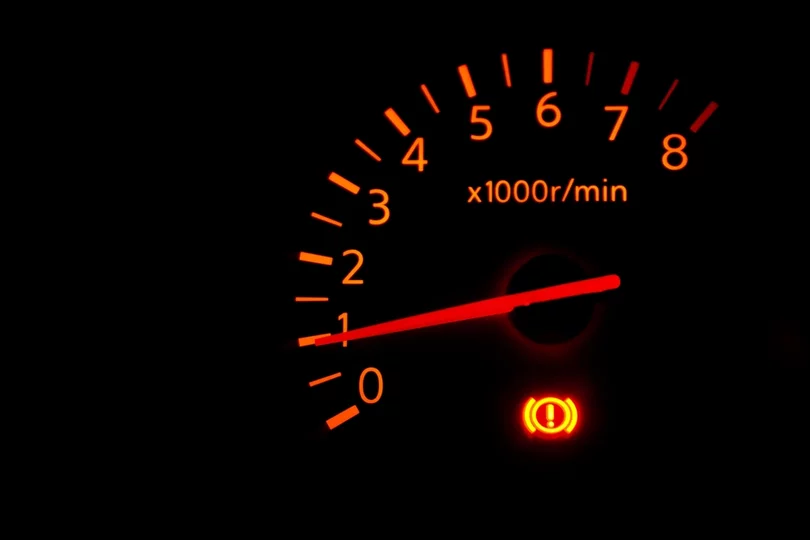
Can You Drive with the Mercedes Brake Pad Warning Light On?
While your Mercedes-Benz may still be driven for a short time after the brake pad warning light comes on, you shouldn’t delay service. The warning indicates the pads have reached a predetermined wear point and should be replaced soon. In most cases, driving your car to the nearest service center (as opposed to having it towed there) is safe.
That being said, ignoring the warning light and delaying service can reduce braking performance and increase the risk of damaging the brake rotors, resulting in more expensive repairs.
What’s more, driving with the light on for long enough may place you, your passengers, and other drivers in harm’s way if you wear your brakes down to the point of them being unusable.
Schedule Mercedes-Benz Brake Service Before Minor Wear Becomes Major Repairs
Replacing worn brake pads at the right time in your Mercedes helps maintain the smooth, confident braking performance it’s known for while protecting other brake components from unnecessary wear and keeping you, those traveling your car, and others on the road near you safe.
If you’ve noticed a warning light, unusual brake noises, vibrations, or longer stopping distances, it’s time to have your brakes inspected.
The experienced technicians at EMC European Auto Care can inspect your brake pads, rotors, wear sensors, and the rest of your braking system to determine exactly what your Mercedes needs.
Learn more about our Mercedes repair services in Las Vegas or schedule an appointment today by giving us a call at (702) 832-5240.