


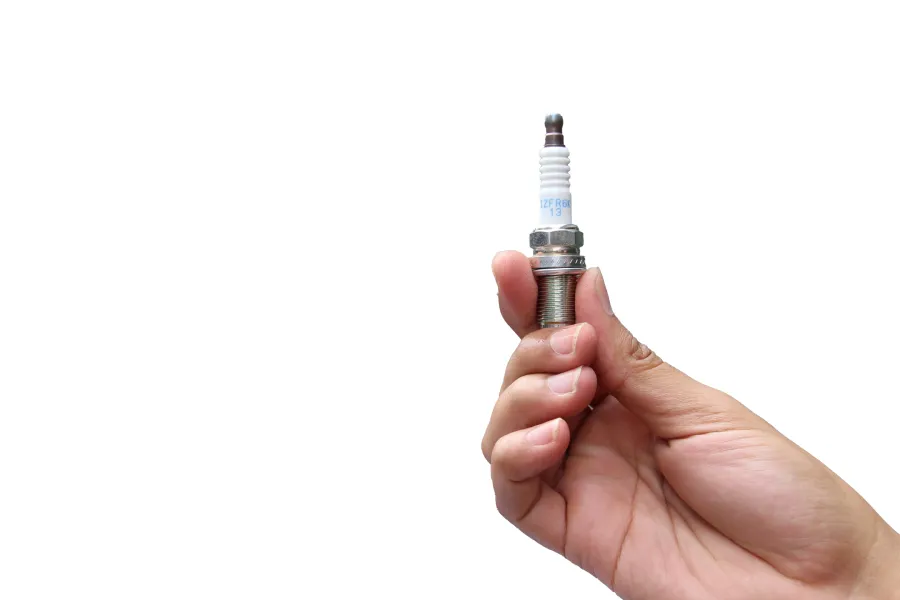
TL;DR: BMW spark plugs help support smooth acceleration, efficient combustion, and dependable engine performance. This guide explains how Las Vegas driving habits shape maintenance needs, which warning signs deserve attention, and why timely inspections and replacement matter.
- Understand local driving demands: Frequent short trips and extended idling make discussing your driving routine with a technician worthwhile.
- Recognize warning signs: Rough idling, difficult starts, hesitation, and a check engine light warrant professional diagnosis.
- Address problems early: Worn plugs can reduce fuel efficiency, while unresolved misfires can potentially damage the catalytic converter.
- Follow your BMW’s service schedule: Replacement intervals vary by model, engine, and model year. Consult your maintenance records and arrange diagnosis promptly if performance changes occur.
Your BMW is built to deliver a responsive, refined driving experience, whether you’re cruising through Summerlin or navigating traffic near the Strip. Keeping it running smoothly means paying attention to the smaller components that help make that performance possible. Among them are your BMW spark plugs.
Spark plugs help ignite the air-fuel mixture inside your engine, supporting the performance you expect every time you get behind the wheel. As they wear, you may notice rough idling, hesitant acceleration, or an engine that doesn’t feel quite as smooth as it once did.
For Las Vegas drivers, inspecting spark plugs is an important part of staying ahead of maintenance concerns. Between daily commutes, short trips, and busy city traffic, it helps to know whether these essential components are ready for the miles ahead.
In this guide, we’ll explore why spark plug inspections matter, which warning signs deserve attention, and how timely maintenance can help keep your BMW performing at its best.
Why Spark Plugs Matter for Your BMW’s Performance
Your BMW’s smooth acceleration and responsive handling are part of what makes every drive enjoyable. Under the hood, spark plugs help support that experience by igniting the mixture of air and fuel inside each cylinder. That combustion produces the power your engine needs to keep you moving.
A properly functioning BMW spark plug helps its cylinder fire consistently. When plugs become worn or fouled, combustion can become less reliable, potentially causing rough idling, hesitation, or misfires. You might also notice that your engine feels less responsive when merging onto the highway or accelerating away from a traffic light.
By checking spark plugs, a technician can look for wear or deposits that may help explain changes in your BMW’s performance. Combined with your model’s recommended replacement schedule, this attention can help you address developing issues early. It’s a straightforward part of maintenance that supports dependable performance, efficient combustion, and a smoother drive around Las Vegas.
How Las Vegas Driving Conditions Shape Maintenance Needs
Driving around Las Vegas can mean crawling through traffic one minute and cruising along the freeway the next. Add frequent short trips and summer temperatures, and your BMW’s maintenance needs deserve attention that reflects how you actually use your vehicle.
Short trips may end before the engine reaches its normal operating temperature, while extended idling adds engine running time without adding many miles. These patterns make it helpful to discuss your driving habits with a technician instead of relying on mileage alone when planning maintenance.
Checking spark plugs can help identify wear or deposits that warrant attention, especially if you’ve noticed rough idling or hesitant acceleration. Desert heat also makes keeping the broader cooling and engine systems properly maintained particularly important.
Your BMW’s recommended service schedule remains the starting point. From there, a qualified technician can help determine whether your driving routine or symptoms call for an earlier inspection appointment.
Warning Signs Your BMW’s Spark Plugs Need Attention
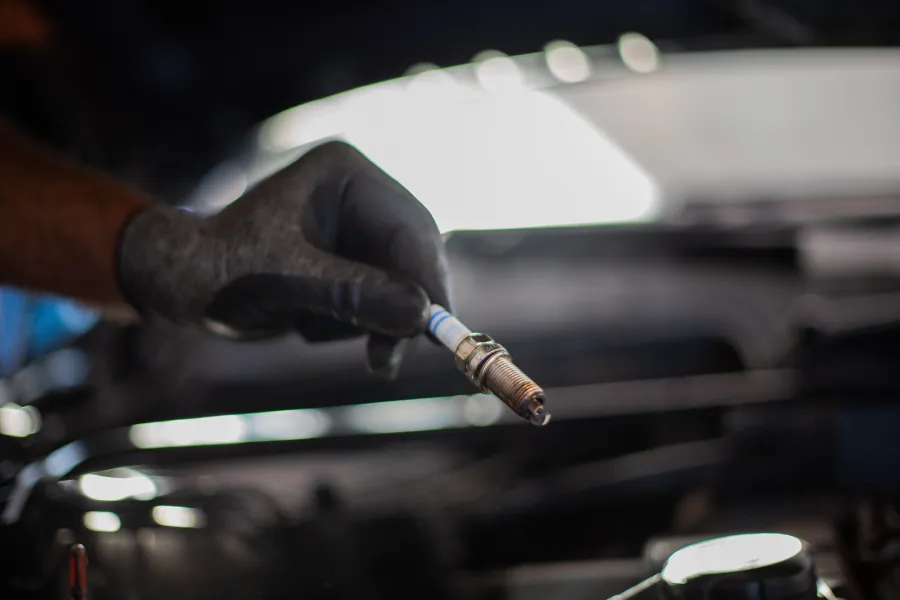
Your BMW usually gives you a smooth, responsive ride, so changes in how it starts, idles, or accelerates deserve attention. A shaky idle at a stoplight or hesitation when pulling into traffic could indicate that combustion isn’t happening consistently.
Worn or fouled spark plugs can contribute to engine misfires, difficult starts, and reduced acceleration. You might also notice that you’re filling up more often despite following your usual driving routine. These changes can develop gradually, making them easy to dismiss until performance becomes noticeably worse.
A check engine light is another reason to schedule professional diagnosis. Spark plugs aren’t the only possible cause, since ignition coils, fuel delivery issues, and other faults can produce similar symptoms.
Scheduling a spark plugs inspection as part of that diagnosis helps a technician evaluate their condition and determine the appropriate next step. Addressing the cause early helps keep your BMW ready for everyday Vegas driving.
The Potential Costs of Skipping Spark Plug Inspections
Skipping a BMW spark plug inspection might seem like a way to save on maintenance, especially when your car still feels fine. However, overlooking worn or fouled plugs can allow performance problems to develop, potentially leaving you with a larger repair bill.
When spark plugs don’t fire consistently, your engine may run less efficiently. That can mean more frequent fuel stops, sluggish acceleration, and a rougher ride during your daily commute. While these changes might seem manageable at first, they deserve attention before they become more disruptive.
Unresolved misfires can also allow unburned fuel to reach the exhaust system, potentially overheating and damaging the catalytic converter. Repairing that damage can cost considerably more than routine spark plug replacement.
Following your BMW’s maintenance schedule and investigating symptoms promptly helps you manage these risks. A qualified technician can determine whether your plugs need replacement and check for other causes of poor performance.
When to Schedule a BMW Spark Plug Inspection
Knowing when to schedule a spark plugs inspection starts with understanding your BMW’s maintenance requirements. Replacement intervals vary by model, engine, and model year, so your owner’s manual and service records provide a more useful starting point than a general mileage estimate.
If your BMW is approaching its recommended replacement interval, discuss spark plug service with your technician. An inspection shouldn’t become a reason to postpone replacement when it’s due. Keeping track of previous service also helps you avoid uncertainty about how long your current plugs have been installed.
Performance changes deserve attention regardless of mileage. If you recently purchased a used BMW with incomplete maintenance records, ask a qualified technician to review its service needs. That conversation can help you plan maintenance with greater confidence.
When service records are incomplete, inspecting spark plugs can help your technician assess their condition and recommend the next steps.
Keep Your BMW Ready for the Road Ahead
Your BMW’s performance depends on the details, and spark plugs are an important part of keeping every drive smooth and responsive. Following your recommended maintenance schedule and paying attention to changes in engine performance can help you address concerns before they become more disruptive.
Whether you’ve noticed rough idling or simply want to stay current on maintenance, European Motor Cars can help you understand your BMW’s service needs. Give your vehicle the attention it deserves so you can enjoy the miles ahead around Las Vegas.